Top 20 Tips On Midi Piano Learning Applications, Programs And Learning Technologies
The advent of digital technology has changed the education of piano. It has created an interconnected ecosystem of MIDI technology for learning that caters for every aspect of music development. The piano learning process today is a complex landscape that includes AI-powered virtual instructors, responsive MIDI key integration, mobile platforms, and sophisticated software. These technologies leverage the precision of MIDI data transmission to give real-time, note-level feedback, while artificial intelligence algorithms analyse the patterns of play to provide individualized modifications to the curriculum and specific technical advice. The convergence of this technologies has democratized music education through making top-quality piano lessons available to everyone, no matter where they are, what their schedule is, or the amount of money they've got. Gamification, social learning, progress analytics and many other features keep students engaged and motivated during the entire learning journey. This ecosystem supports all levels of instruction from the basics for absolute beginners, to advanced repertoire, music theory understanding, and professional performance preparation.
1. Customization, Personalization, and Customization Capabilities
Advanced systems allow for extensive personalization, which includes the ability to adjust feedback sensitivity as well as control the pace of practice and select learning pathways. AI-driven platforms can create customized lessons based on musical preferences, learning speed and the specific objectives. They adapt to every user's individual method of learning by providing more visual or auditory feedback, or by analyzing data based on their responses, is a standard feature.
2. Integration with Traditional Education
Teachers can utilize the most efficient apps to communicate with students, keep track of their progress and assigning repertoire. Hybrid teaching models utilize technology to build skills and give immediate feedback. Lessons are then freed up for creative development and nuanced, musical guidance that require human knowledge.
3. Notation Literacy and Sight Reading Development
Specific modules are focused on the development of sight-reading abilities using algorithmically generated exercises that adjust to current levels of proficiency. These systems usually track patterns of eye movements (through the interface design), to ensure that pupils develop proper reading techniques and are looking forward appropriately. Progressive difficulty systems offer continuous challenge without frustration.
4. Ear Training and Aural Skills Development
The platform comes with dedicated modules for interval identification and chord recognition, as well as rhythmic dictation, or melodic transcription. These tools employ adaptive difficulty algorithms to respond to the ability of the user, strengthening the connection between auditory perceptual and physical execution.
5. Music Theory and Integration
Concepts from theory are effortlessly integrated into actual performance through interactive lessons that demonstrate how theory can be applied to music. Students learn chord construction as well as harmonic progressions, scales, and compositional skills through active activities, not memorizing abstract concepts. This provides a deeper understanding of the material.
6. Exercises and Technique Development
Virtual technique modules include exercises for finger independence, scale and arpeggio instructors, as well as instruments to increase velocity. Advanced motion capture technology is accessible to analyze hand biomechanics, make suggestions for technical modifications and help prevent injuries. These systems allow metronome training as well as a gradual increase in speed, which can improve technical proficiency.
7. Repertoire Learning Tools
Specialized features include loop functions, variable speeds without pitch changes, and annotation features to indicate interpretations. Many systems offer an analysis of performance to keep track of progress on pieces over time. They are able to identify difficult parts, and offer specific practice.
8. Recordings and Playback Analyses
Built-in recording features let students record and evaluate their performance objectively. Advanced analysis tools provide visual representations of dynamics, rhythm accuracy, and expression making it possible to self-assess skills. Comparative features allow side-by-side comparisons of student performances and reference recordings.
9. Multi-Platform Accessibility and Synchronization
Cloud-based systems enable seamless transition between devices which allows the practice to continue across tablets, computers as well as smartphones. With progress synchronization that means all devices will be updated on the practice and lesson completions.
10. Accessibility Features in Design
Many platforms provide features for users with different abilities. These include colorblind mode and alternative methods of input. These inclusive design principles ensure that technological advances provide the greatest number of learners.
11. Offline Functions and Practice Options
Because internet connectivity isn't always possible, high-quality applications offer robust offline functionality. Progress tracking continues offline and is synchronized once the connection is restored providing uninterrupted learning regardless of network availability. This feature is especially useful for users with unreliable internet connection or who wish to practice in areas without internet access.
12. The precision of MIDI and its technical benefits
The MIDI technology (Musical Instruments Digital Interface) allows digital keyboards and pianos to transmit detailed performance information including precise timing, velocity (dynamic levels) duration, as well as pedal activity, to a learning software. This results in a more accurate feedback system for learning compared to audio-based recognition that allows for precise identification of wrong notes, irregular rhythms as well as dynamic control issues. The protocol's binary structure makes sure that audio latency does not become an issue when playing back. Additionally, it allows features like silent practice while wearing headphones, and still receiving complete performance evaluations.
13. Real-Time Visual Feedback Systems
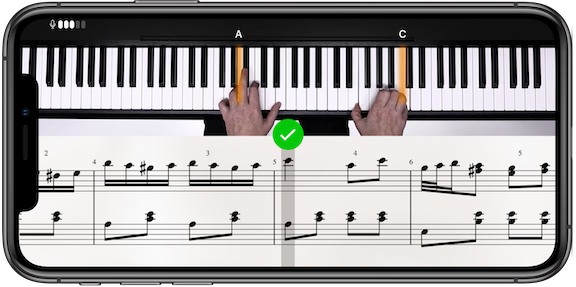
Some advanced software gives immediate visual feedback by using scrolling notes and overlays on keyboards which show the correct finger position. Additionally, they use colors-coded symbols to demonstrate the accuracy. Certain systems give instant feedback by highlighting specific notes while others utilize traffic lights (green for accurate, and orange for wrong). This visual reinforcement helps accelerate learning by creating distinct connections between musical notation and keyboard geography, as in addition to physical movements.
14. Artificial Intelligence & Adaptive Learning Algorithms
AI-powered platforms review data from thousands of practice sessions to discover patterns and predict challenges. This allows them to tailor the learning path. Machine learning algorithms detect recurring mistakes and automatically generate targeted exercises to address specific technical or musical weaknesses. Advanced systems use natural language processing for spoken interaction as well as computer vision (via webcam) for hand and posture analysis of hand position, creating an entire feedback system.
15. Gamification and Motivation Architecture
Modern applications feature sophisticated game design, such as achievement systems, level progressions virtual streak counters, awards and scoring points. These psychological stimuli create a dopamine, which encourages regular practices. A lot of platforms offer challenge modes, sight-reading games, and exercises in rhythm that transform technical drills into fun exercises, making practice sessions something students enjoy instead of being anxious about.
16. Structured Curriculum Design and Pedagogical Approaches
Software that is of the highest quality will employ well-researched frameworks that guide students through their progress. The curriculum typically includes technique exercises, sight-reading development lessons in music theory and ear-training as well as repertoire development and improvisation opportunities. The best programs use spiral learning methods where concepts are introduced simply and then revisited in increasing levels of complexity, ensuring solid foundation building before advancement.
17. Comprehensive Content Libraries and Repertoire Management
Most leading platforms provide large music libraries, usually with different difficulty levels, for the most popular songs. The most sophisticated systems regularly update their libraries to include the latest arrangements as well as licensed content. Many include algorithmic generation of music for unlimited sight-reading as well as arrangements tailored to particular technical challenges or musical preference.
18. Hardware Connectivity requirements and compatibility requirements
Understanding your connectivity options is key to connecting technologies. It includes USB-MIDI connections, Bluetooth MIDI connections, and the traditional 5 pin DIN connections. Software platforms and keyboard models vary in compatibility, a few are designed to specific brands. The requirements for a system vary from simple applications for mobile devices and computer-based ones which require adequate processing for real-time sound analysis as well as a sophisticated visual rendering.
19. Advanced Performance Analytics and Performance Metrics
Dashboards are sophisticated tools which monitor a range of performance metrics, such as precision, consistency of rhythm as well as improvement in sight-reading practice time distribution and repertoire mastery. These systems produce precise reports that show the improvement made in technical and musical dimensions. They typically feature comparative analyses of peers. The data visualization will help teachers and students determine areas of strength and areas that are where they could be improved.
20. Social Features and the Integration of Community
A lot of platforms incorporate social learning elements, including performances-sharing, community challenges (such as duets) and mentor programs and community-based challenges. These tools counteract the solitary nature of individual practice and provide motivation by collaborative music making and friendly competition. Certain applications offer live performances with professional musicians, as well as educational content. These features offer a learning experience that goes that extends beyond individual practice. View the top rated midi keyboard lessons for site tips including midi piano, keyboard piano for beginners, piano lessons piano, songs to learn on piano, songs to play on the piano, best piano lesson online, piano lessons piano lessons, keyboard piano learning online, em piano, best piano courses online and more.